5 Best Webtoon Alternatives for Creators to Monetize in 2026

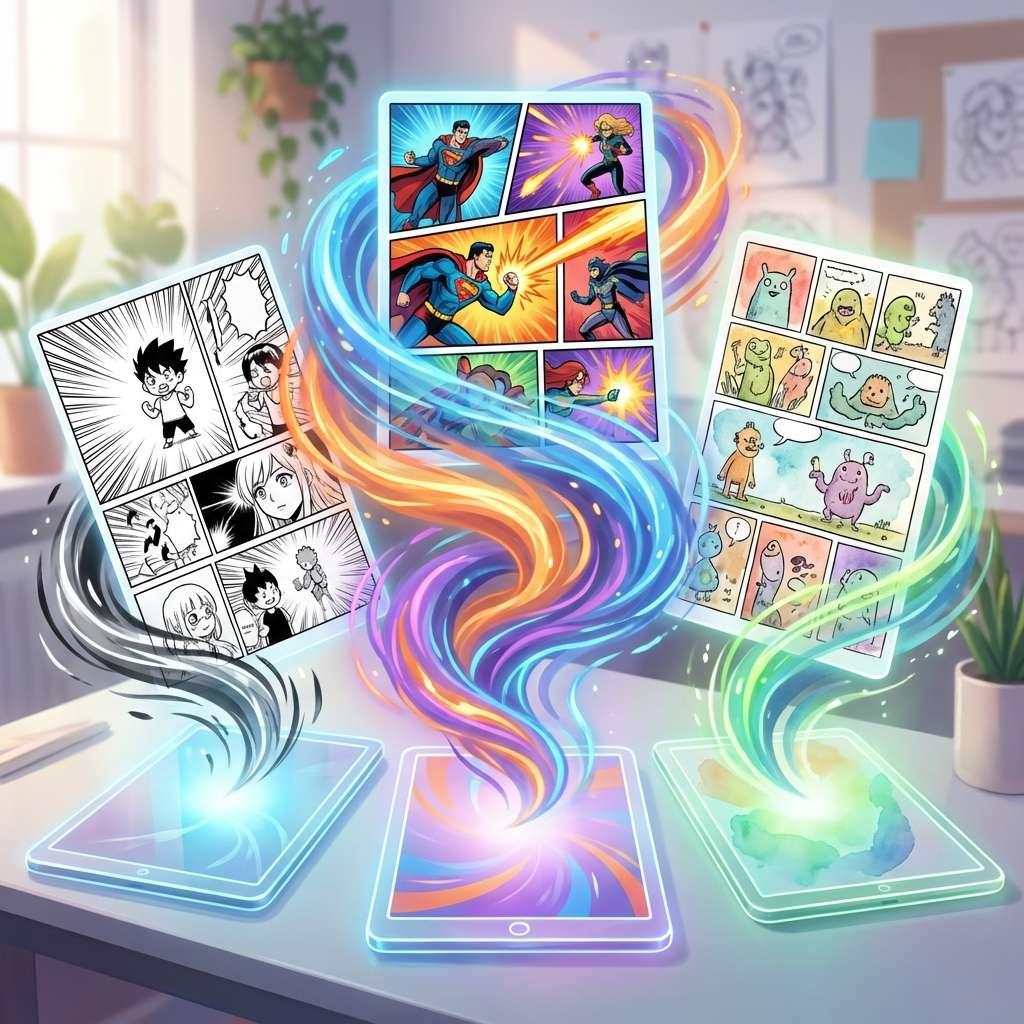
For years, Webtoon has been the default giant for digital comics, but in 2026, the landscape is shifting. As algorithms change and competition skyrockets, independent artists are actively searching for Webtoon alternatives for creators that offer better monetization, fair rights, and true community building.
If you're tired of fighting for visibility or earning pennies on ad revenue, you're not alone. The "creator economy" has finally reached the comic world, and new platforms are emerging that put the artist first. Whether you want to sell subscriptions, merchandise, or simply own your audience list, there's a better home for your story out there.
In this guide, we'll break down the top 5 platforms that are empowering comic creators to take control of their careers this year.
Why Creators Are Looking for Webtoon Alternatives
The "Webtoon model" worked wonders for reading on phones, but it hasn't always worked for creator bank accounts. Several key issues are driving the exodus:
- Monetization Gatekeeping: On many legacy platforms, you need millions of views just to unlock ad revenue sharing.
- IP Ownership Concerns: Some exclusive contracts can limit what you do with your own characters outside the platform.
- Algorithm Dependency: Your success depends entirely on being "picked" by the homepage editors or trending algorithms.
- Lack of Direct Connection: You often don't own your subscriber list (emails), meaning you can't take your fans with you if you leave.
Modern creators are realizing that diversified income streams are essential for survival. Relying on a single platform is risky.
Top 5 Webtoon Alternatives for 2026
Here are the best platforms to consider if you're ready to diversify or move your specialized comic.
1. GlobalComix (Best for Western & Indie Comics)
GlobalComix has aggressively positioned itself as the creator-friendly alternative. They offer a powerful reading engine that supports both vertical scroll and traditional page formats—perfect if you plan to print your comic later.
- Monetization: They use a "Superfan" subscription model where readers can support creators directly, plus a revenue share based on time spent reading.
- Pros: Excellent analytics, supports PDF downloads for sales, and very supportive of indie creators.
2. Tapas (Best for Romance & Fantasy)
While still a giant similar to Webtoon, Tapas offers a slightly different audience and monetization structure. It is heavily skewed towards romance, fantasy, and "isekai" genres.
- Monetization: The "Support" feature allows fans to tip creators with "Ink." Their ad-revenue program is also robust but competitive.
- Pros: Massive existing user base. If your art style fits their aesthetic, you can grow quickly.
3. Postion (Best for Owning Your Audience)
Postion is rising as a top choice for creators who want to build a business, not just a following. Unlike varied content aggregators, Postion focuses on giving you the tools to build your own membership site.
- Monetization: You keep a much higher percentage of revenue. You can sell monthly memberships, one-off digital comics (PDFs), and even physical merch.
- Pros: You own your data. You get the email addresses of your subscribers, so you are building an asset that is 100% yours. This is crucial for long-term data ownership.
4. ComicFury (Best for Free Hosting & Customization)
A veteran in the space, ComicFury is perfect for those who want a customizable website without coding. It feels more like the "golden age" of webcomics where every comic had its own unique site.
- Monetization: They don't have a built-in payment processor, but they allow you to run your own ads or link to Patreon/Ko-fi freely.
- Pros: Completely free, no censorship (within legal limits), and you can customize your site's HTML/CSS.
5. Manta / Tappytoon (Curated Premium Options)
These platforms operate more like "Netflix for Comics." They are subscription-based services for readers.
- Monetization: This is usually a curated path. You typically need to pitch your comic or be scouted to get on these platforms. If you do, you get paid licensing fees or royalties.
- Pros: High production value and "prestige" association, but higher barrier to entry.
Comparison Table: Revenue Share & Features
| Platform | Revenue Model | Audience Ownership | Best For |
|---|---|---|---|
| Webtoon | Ad Rev (High Traffic required) | Low | Viral growth, massive reach |
| GlobalComix | Subscriptions + Sales | Medium | Western/Indie comics, Prin-ready |
| Postion | Memberships + Direct Sales | High (Email list) | Building a business, specialized niches |
| Tapas | Tips (Ink) + Ads | Low | Romance/Fantasy genres |
| ComicFury | Bring your own (Patreon) | Medium | Custom site design, absolute freedom |
Conclusion: Diversify Your Platform Strategy
You don't have to choose just one. Many successful creators use a "hub and spoke" model.
Use massive discovery platforms like Webtoon or Tapas as your "top of funnel" to find new readers. Then, funnel your most loyal fans to a platform like Postion or GlobalComix where you can monetize them more effectively through memberships and direct sales.
Remember, the goal is not just to get views, but to build a sustainable career. Don't ignore the business side—check out our content creator tax tips to keep your finances in order as your income grows.
Ready to take control? Start exploring these alternatives today and see which one fits your story best.